
Imprint: The content of this blog entry is based on VR experiments in the context of projects carried out in the scope of the authors masters degree studies at FHNW University of Applied Sciences and Arts Northwestern Switzerland under the supervision of Prof. Dr. Doris Agotai.
The result of our research so far is a functional prototype, implemented with Unity using the VRTK framework, optimized for the HTC Vive headset and controllers. Following the Visual Information Seeking Mantra it contains a map offering an overview of the full dataset, a body referenced on demand menu for filtering data points, and visualization concepts for direct integration of filter results in the map representation in the form of a Choropleth map encoding in combination with volume height adjustments. This immediate spatial representation of search results offers rapid insight on the contents of the dataset to the user. Thoughtful attention was given in respect to level of detail and visualization fidelity in the design and implementation of exemplary samples of collection objects. Applying the “details on demand” principle, a detail view with additional information is displayed by pointing at an item.
The application provides system control by the means of a perspective controller, allowing zooming in and out to shift the user’s perspective back and forth between bird’s eye view and ground level view. Spatial movement on the map is offered by physical locomotion and teleportation. And data management is provided through a JSON interface.
User tests have resulted in generally positive feedbacks, revealing that this form of spatial visualization and interaction with data provides benefits for the data exploration task and indeed offers a fresh perspective on data.
some impressions
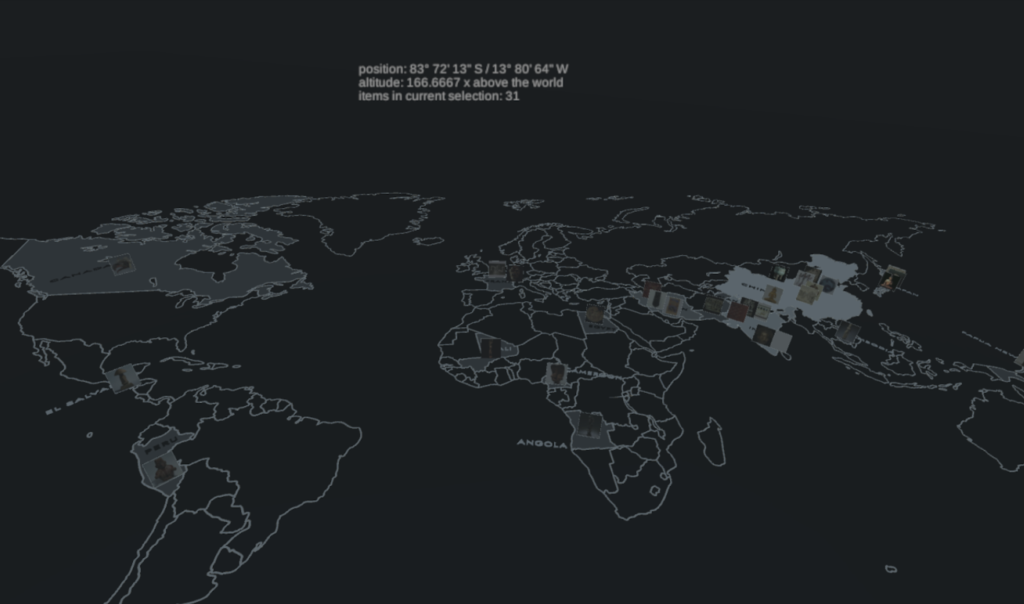
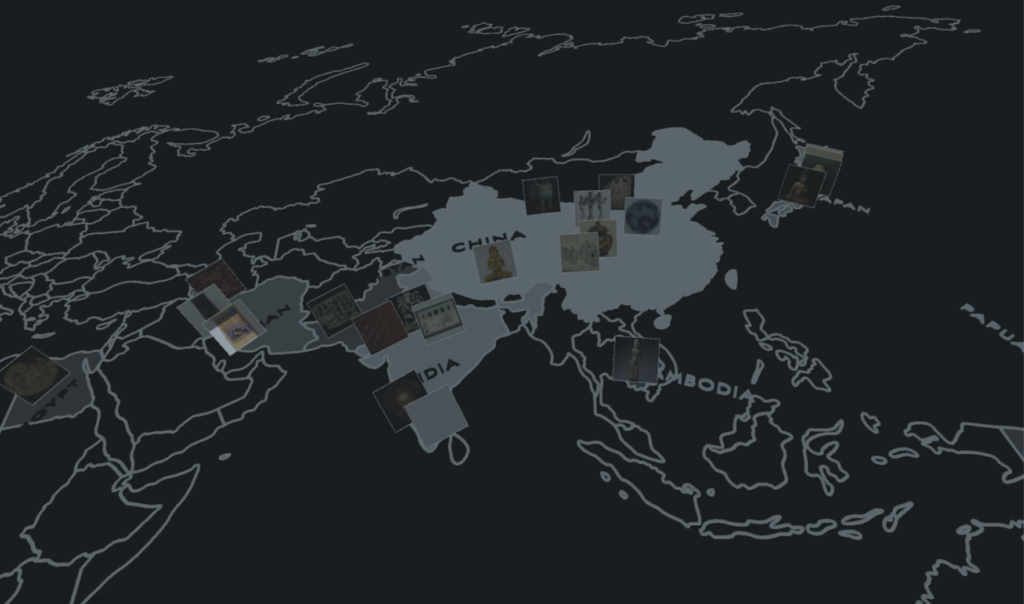
Figure 1 & 2: bird’s eye view offering an overview of the full dataset
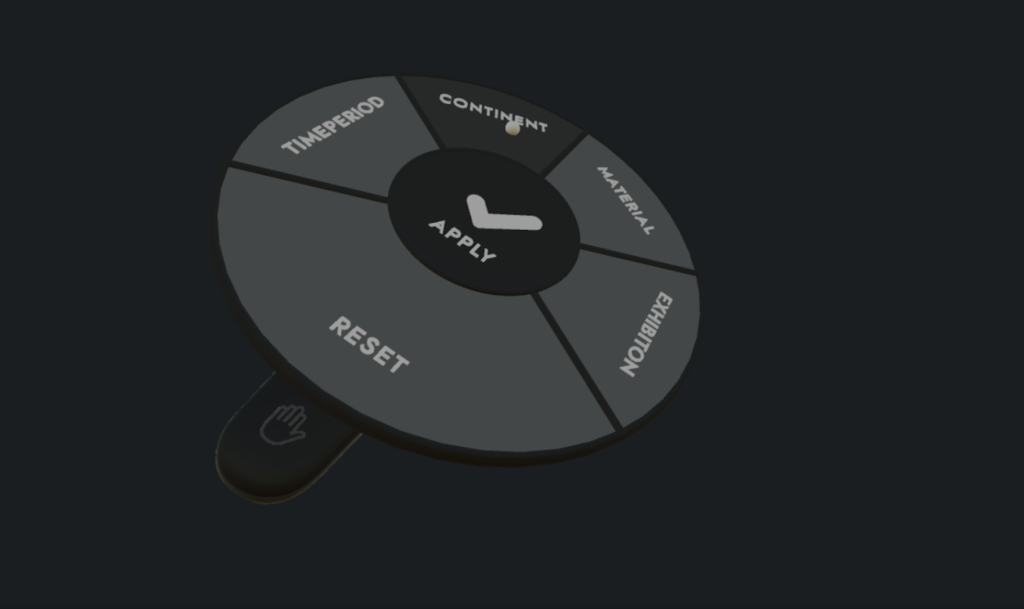
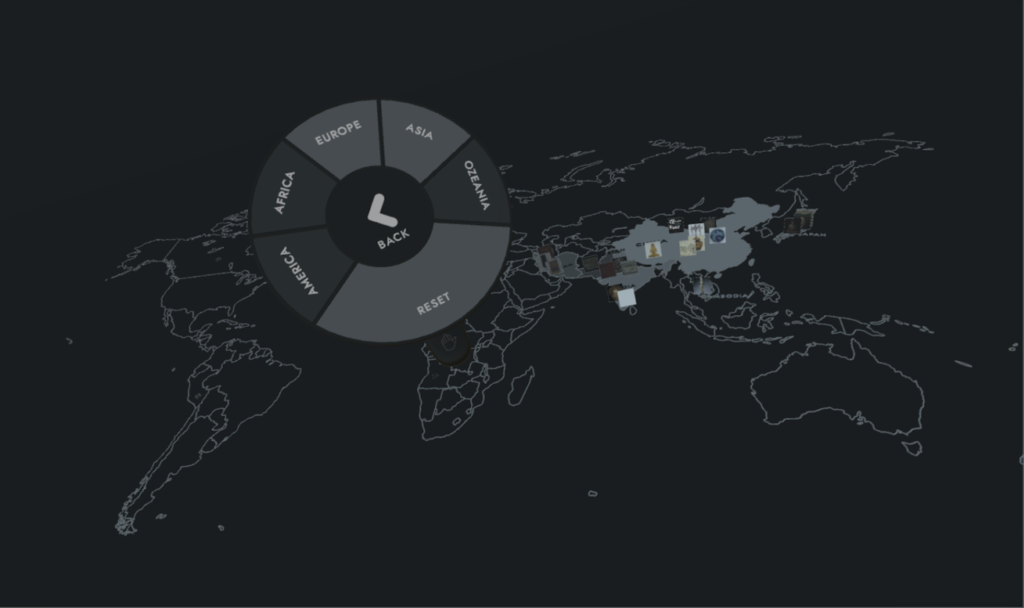
Figure 3 & 4: body referenced on demand menu for filtering data points
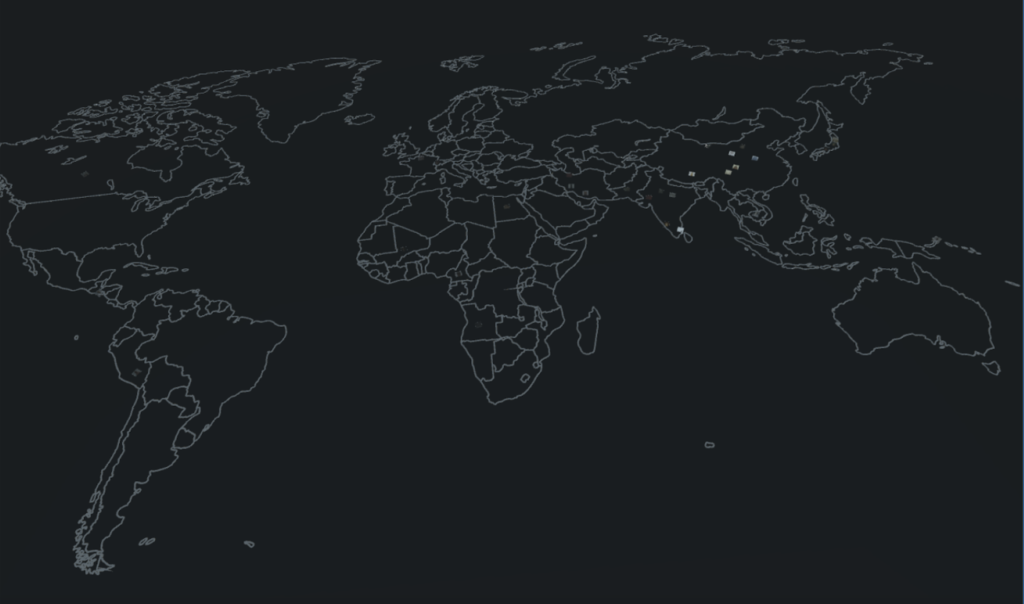
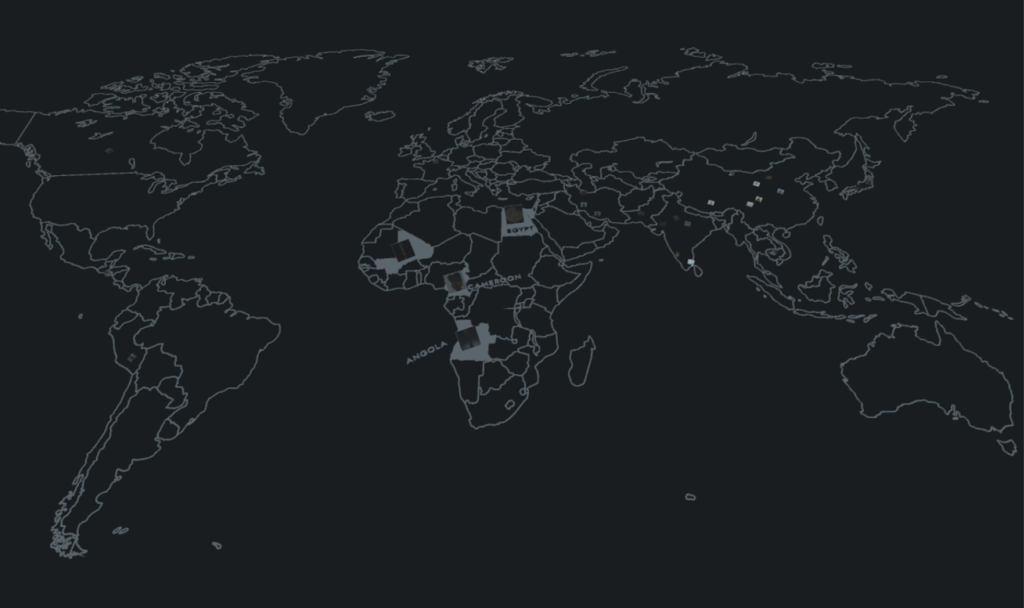
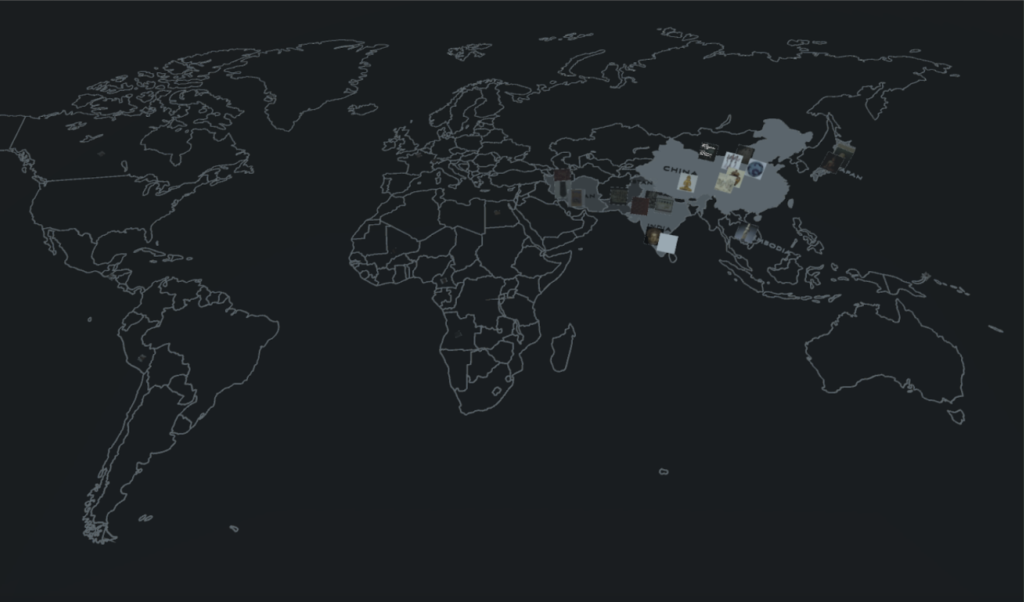
Figure 5, 6 & 7: visualization concept for direct integration of filter results in the map representation in the form of a Choropleth map (no selection, Africa selected, Asia selected)
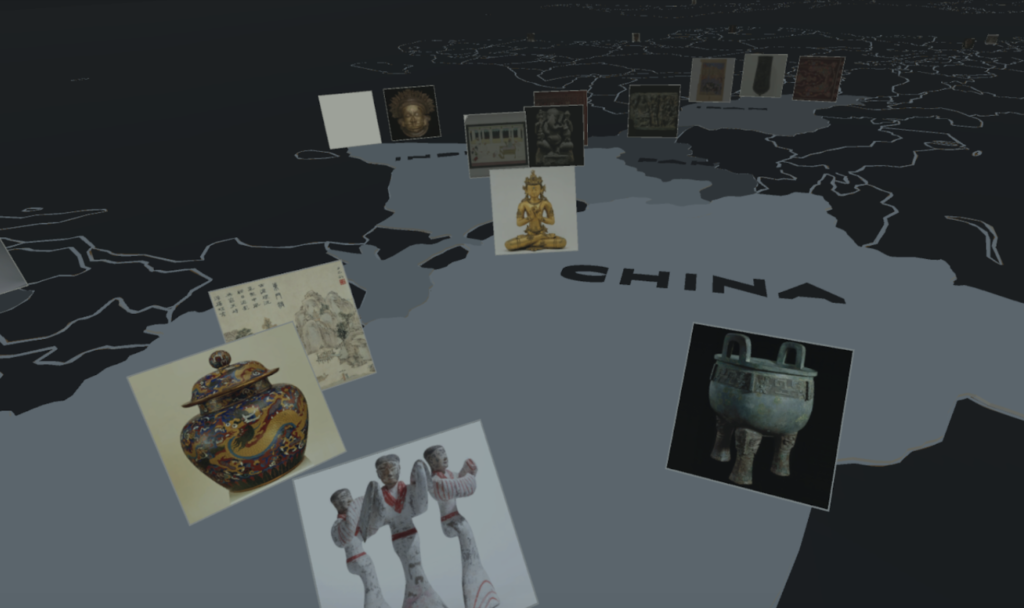
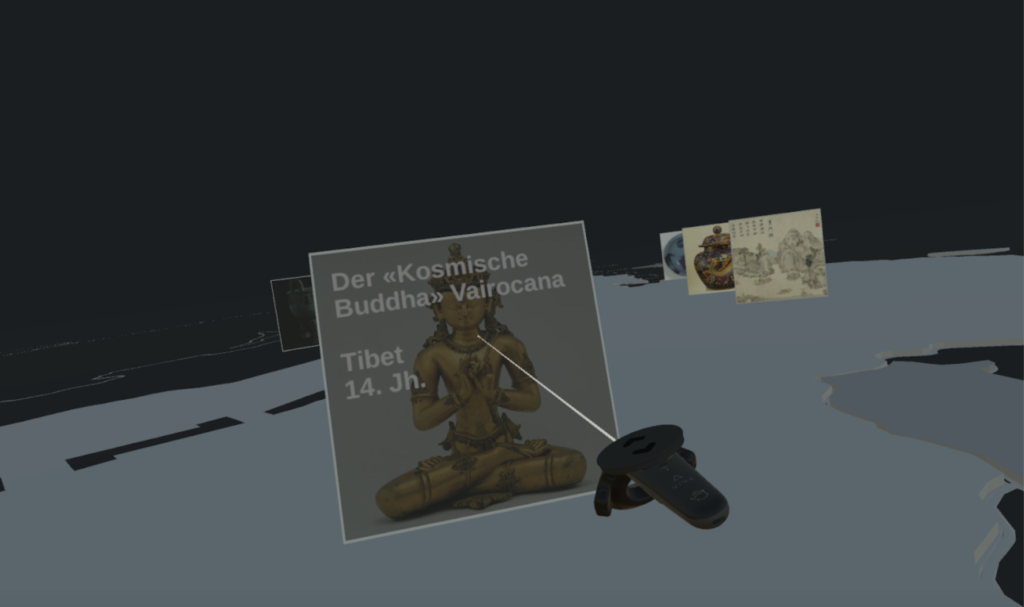
Figure 8 & 9: detail view of collection items, additional information is displayed on demand
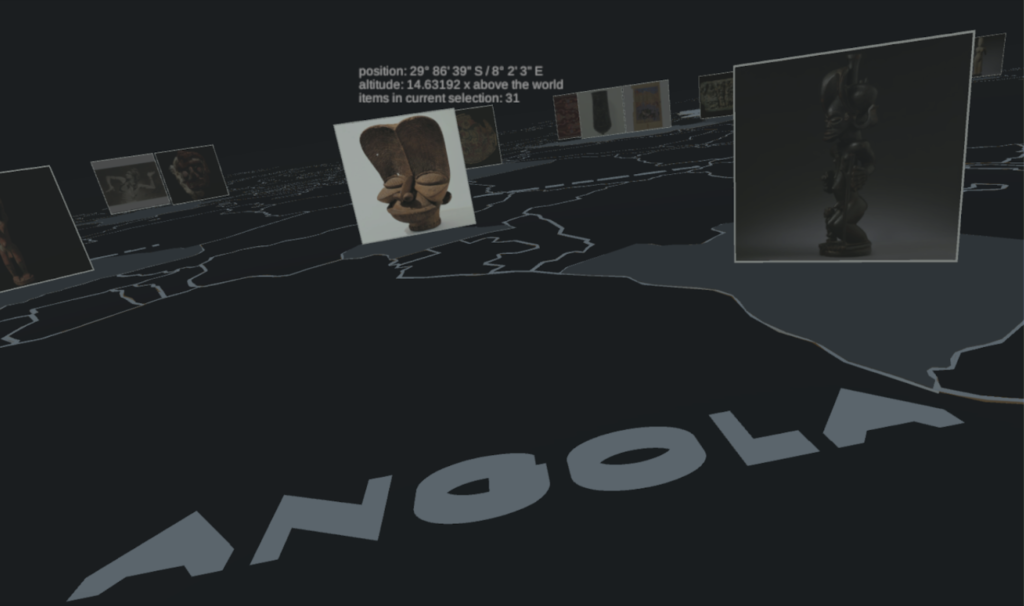
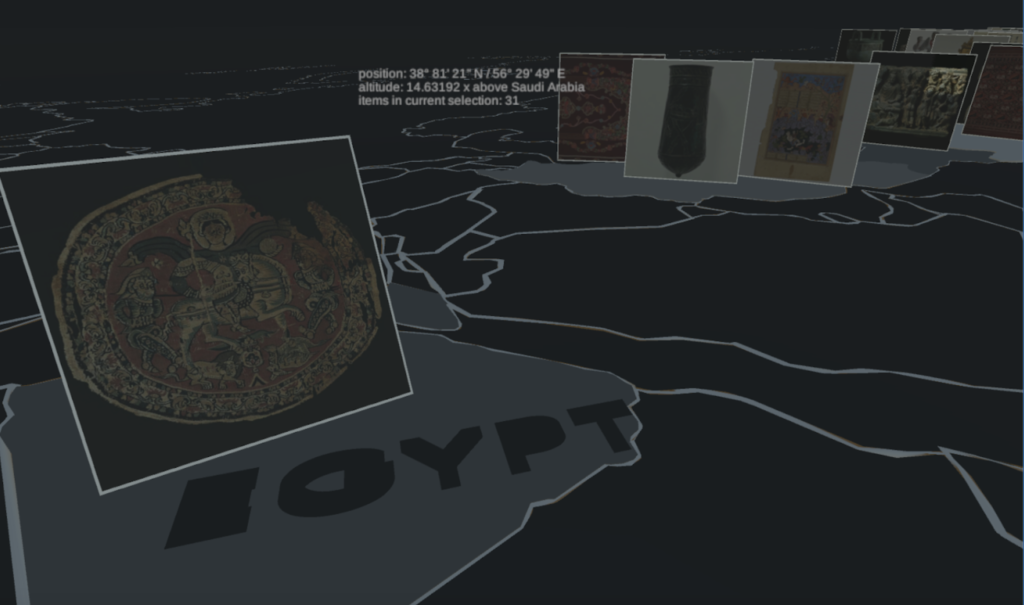
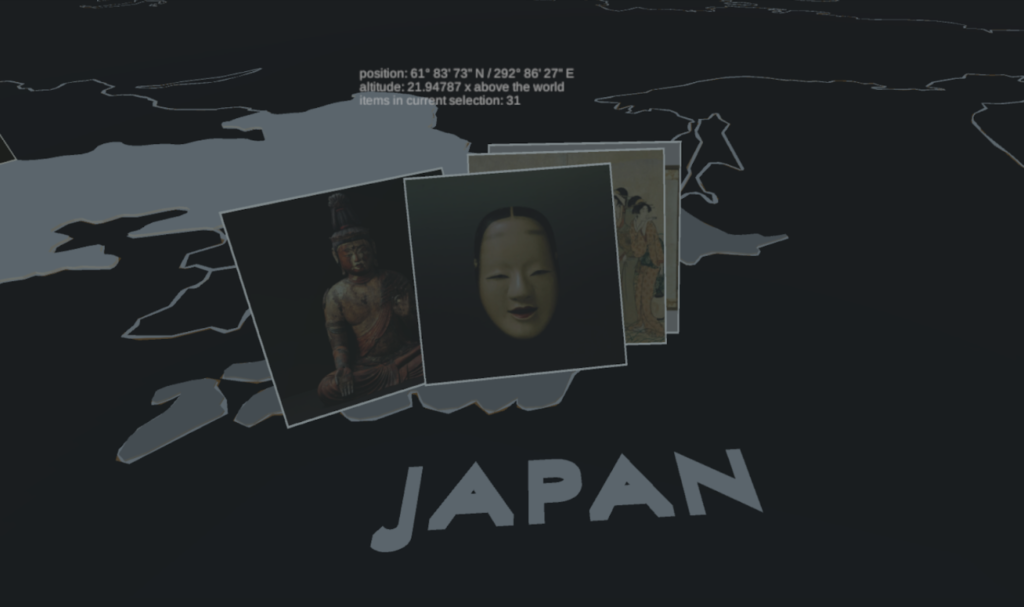
Figure 10, 11 & 12: more impressions of the prototype
Outlook
Future work includes refinement of menu design and introduction of more elaborated search and filtering options and giving a deeper look into orientation. For the detail view the display of additional attributes or behaviors of objects such as its provenance journey, plus interactions like marking favorites or comparing the behavior of multiple selected objects are envisioned.
Furthermore, freehand system control should be considered. The benefit of gesture input lies in the natural characteristics of direct mapping of user movement which are easier to learn than virtual control performed by an input device. Studies have shown that bimanual input in particular has the potential to allow users to perform tasks faster, leverage existing skills, and increase expressiveness. A drawback is the need for clear delimiters to indicate initialization and determination of gesture, otherwise normal human motions may be interpreted as gestures while not intended as such.
Recognizing that spatial visual representation, filtering and interaction capabilities provided by this virtual data exploration space result in more rapid understanding and unique insight on data in general, applying these findings to other datasets with geographical reference should be considered. Museums in particular have a significant amount of reusable data about their collections that often remains largely untapped, yet has the potential to create real value if presented in a meaningful way and made accessible for interaction, exploration and discovery, eventually allowing the documentation layer to become an actual experience. For this reason, every endeavor should be made towards reusability. This implies in particular advancements in the data management interface and modularity of the application architecture as well as on the elaboration of concepts to embed such a VR experience into the context of an online presence or as part of an exhibition.