The Biennale 4D Project
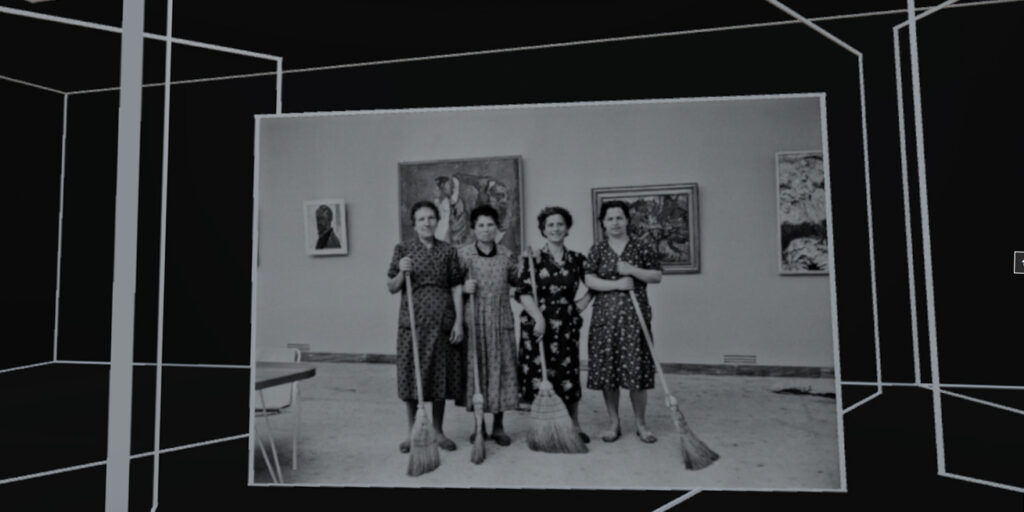
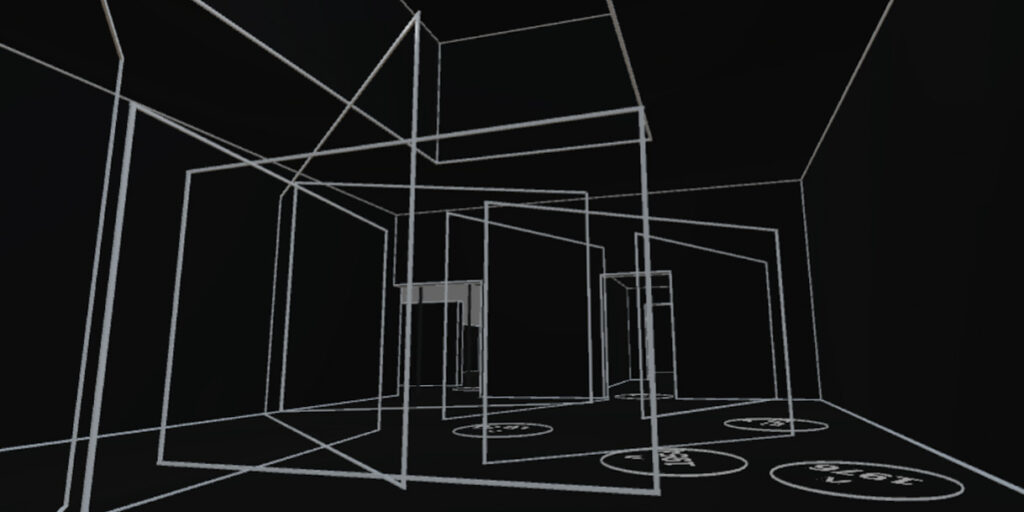
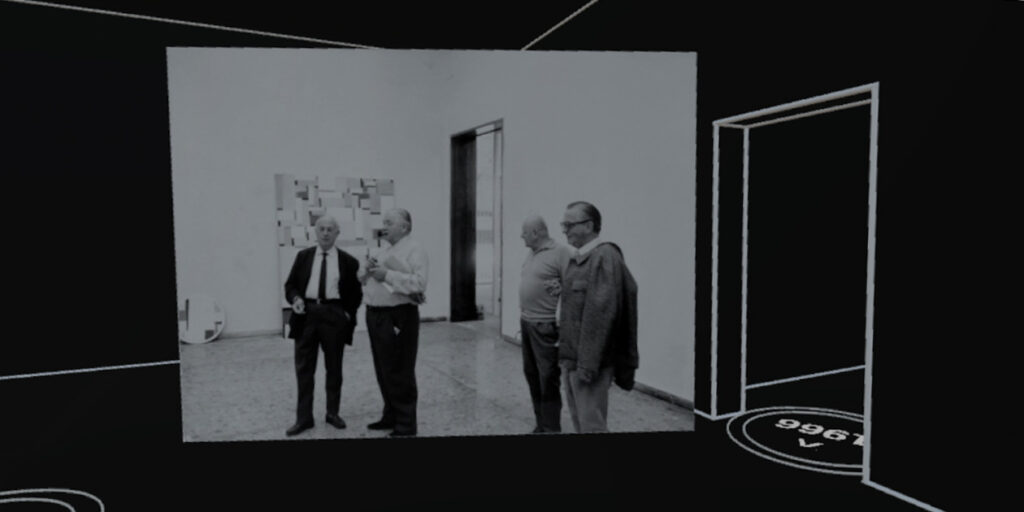
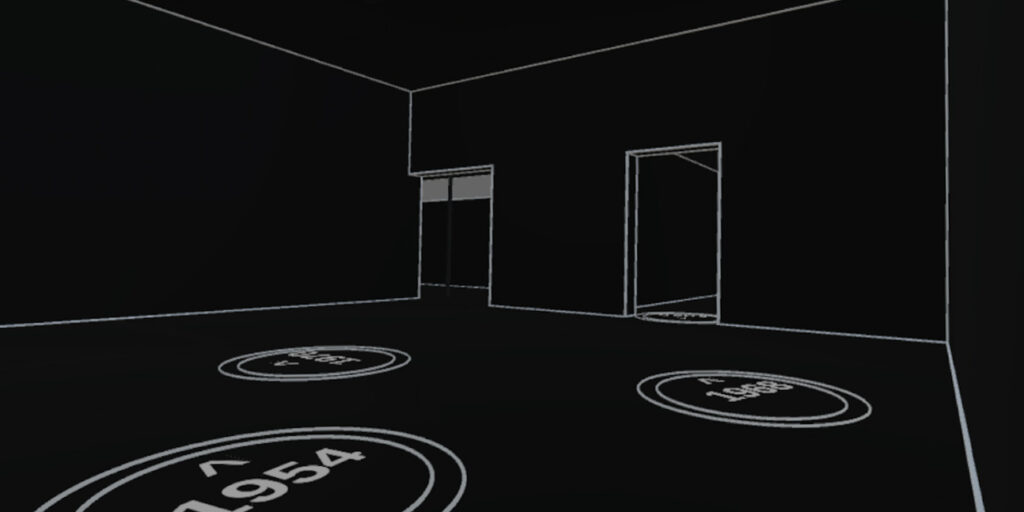
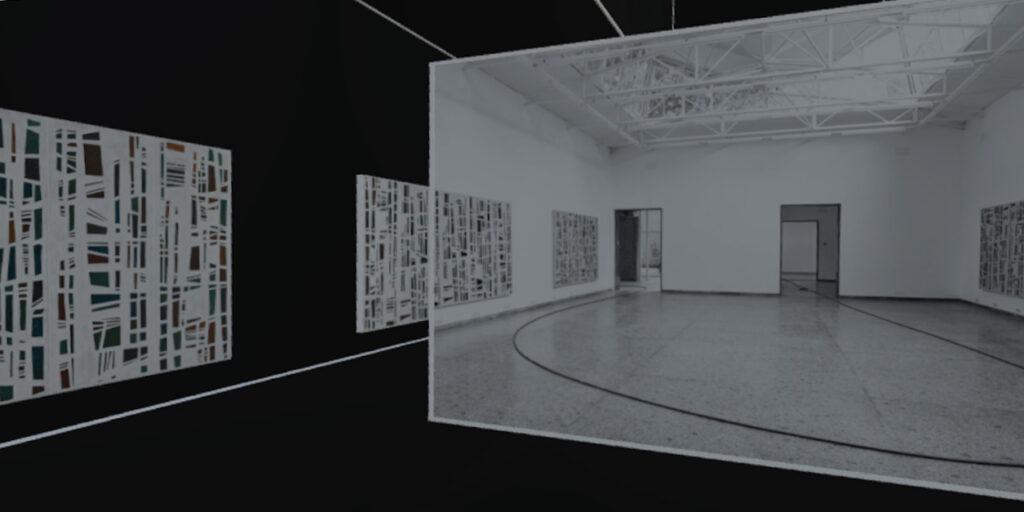
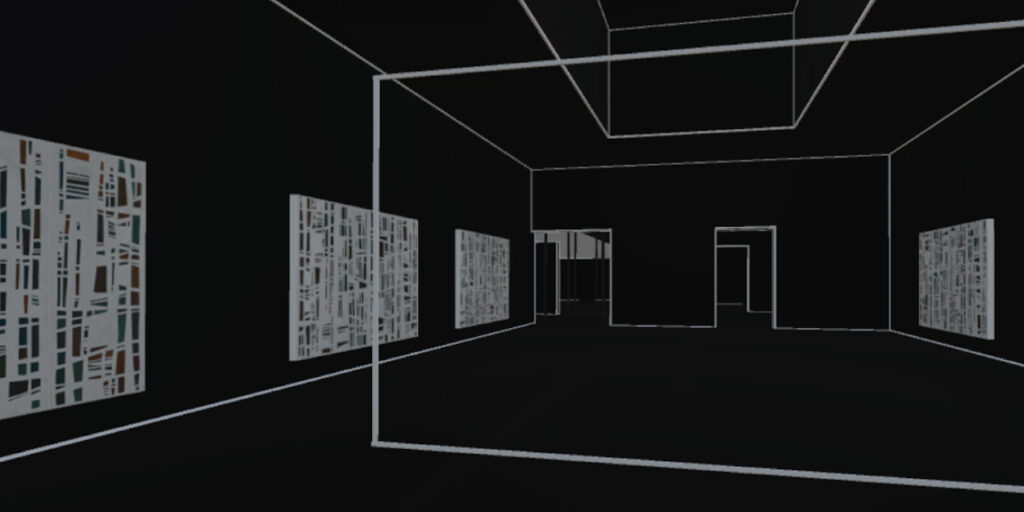
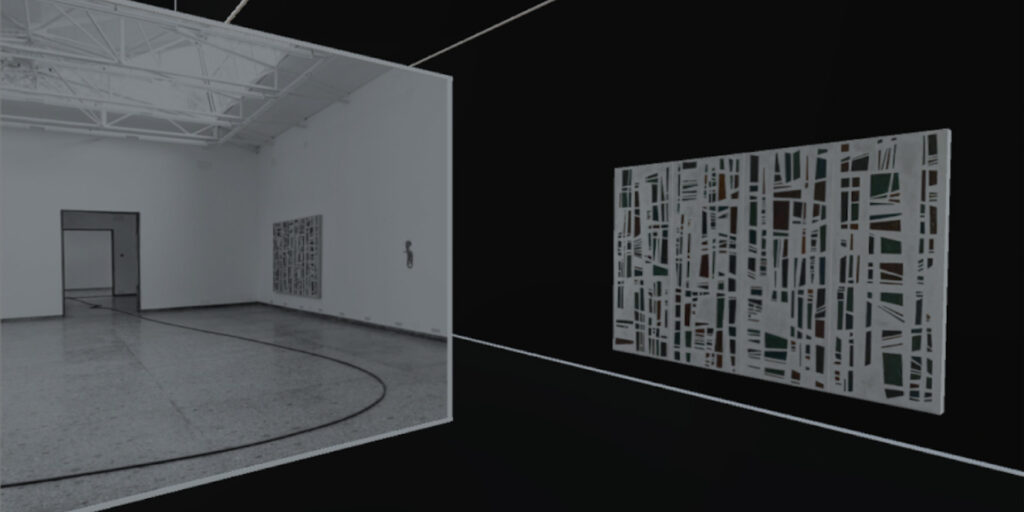
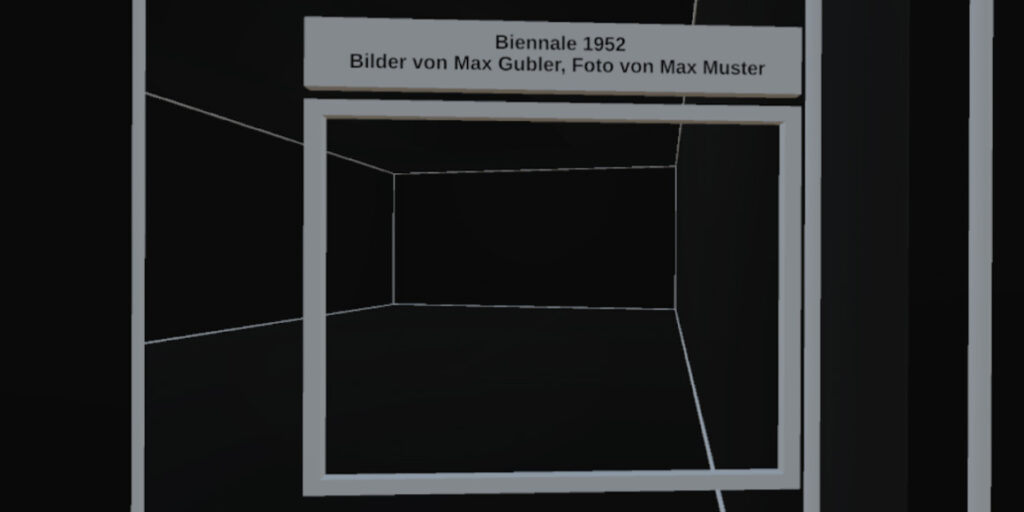
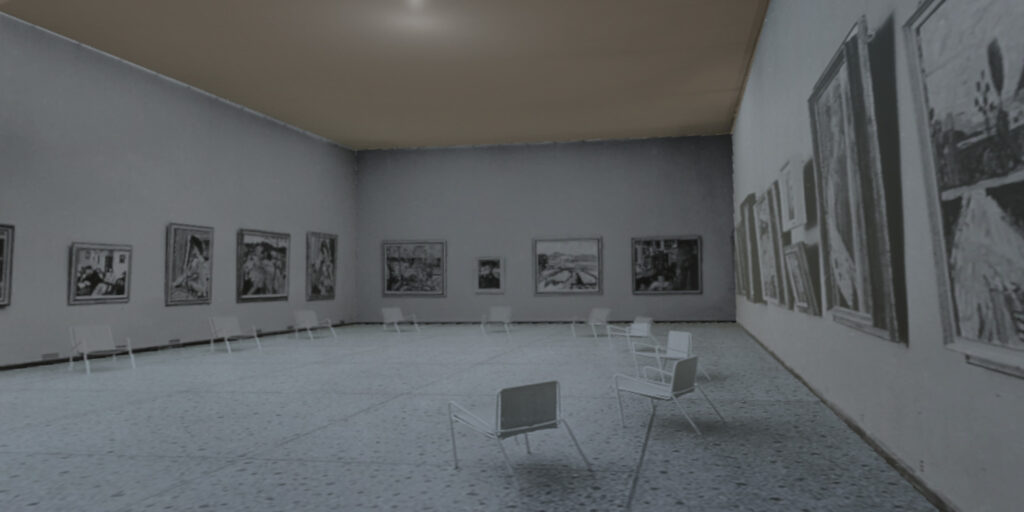
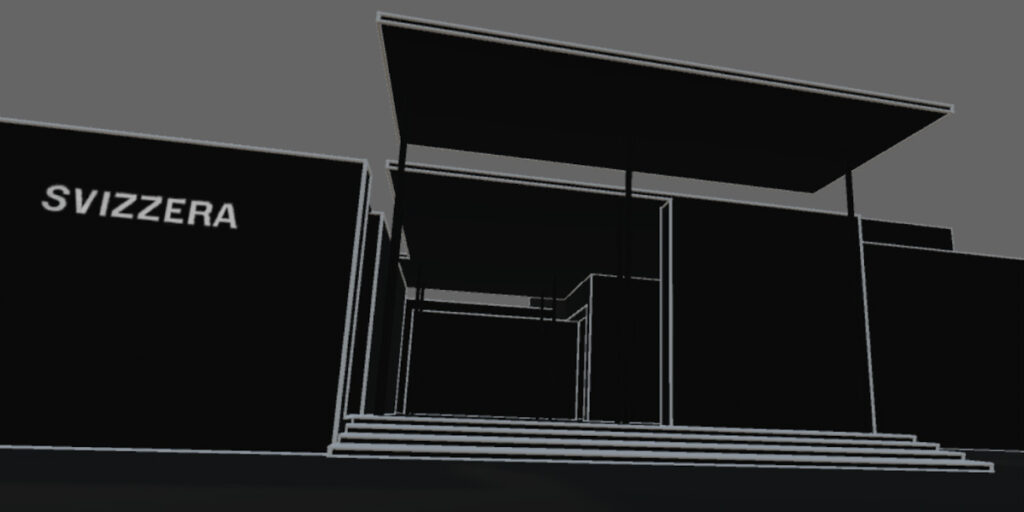
The Swiss pavilion at “Biennale di Venezia” offers a platform for national artists to exhibit their work. This well-known white cube showcases the changes in contemporary Swiss art from the early 50s to the present day. The aim of the “Biennale 4D” is to make the archives of the past bi-annual art exhibitions more comprehensible by creating an interactive explorative environment using innovative virtual reality (VR) technology. The project poses multiple challenges including visualisation of historic content and its documentation, dealing with the heterogeneity and incompleteness of archives, interaction design and interaction mapping in VR space, integration of metadata as well as realising a virtual reality experience for the public space with current VR technology.
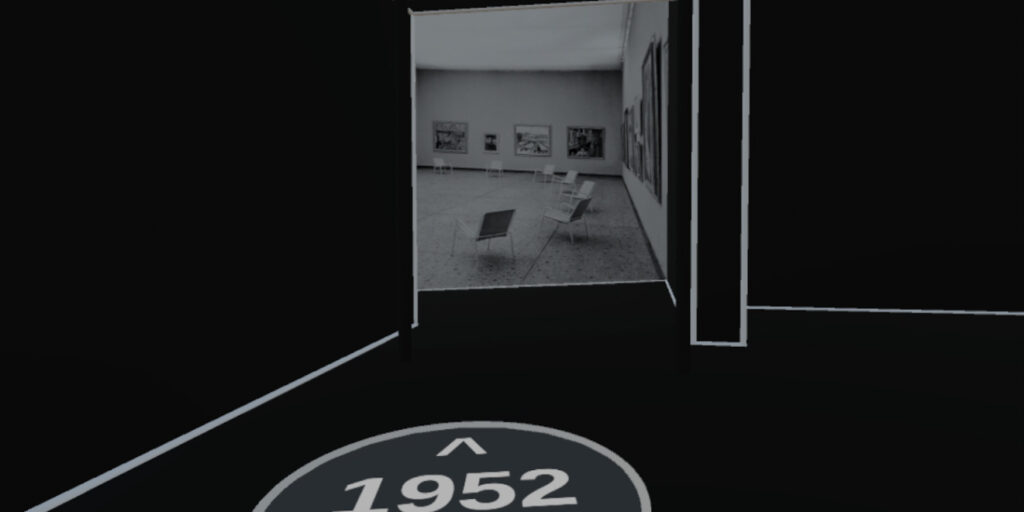
Extensive research has been conducted regarding the state of the art of VR technology in the given application field, possible forms of visual representation and rendering methods, interaction patterns as well as suitable user experience testing methods. A pilot application has been developed that features exemplary scenes with exhibit samples of various types and materiality and model scenarios covering varying degrees of documentation levels. This prototype offers features such as time travel, spatial movement and interaction with metadata. Furthermore, the experience has been enhanced with additional archive material. In addition, the user learns at the launch of the application within a demo environment how to apply the functionalities listed above. The application has been tested thoroughly in regards to user experience and usability and was well received by the test audience.
The initial Biennale 4D project was realized as part of the the bachelor thesis of Kathrin Koebel and Olivia Kaufmann during their iCompetence Computer Science studies at FHNW University of Applied Sciences and Arts Northwestern Switzerland in 2016. The project was initiated by the Swiss Institute for Art Research SIK ISEA and executed under the supervision of Prof. Dr. Doris Agotai, Prof. Dr. Stefan Müller Arisona and Filip Schramka.
A follow-up project within the scope of Kathrin Koebel’s masters degree studies studies at FHNW University of Applied Sciences and Arts Northwestern Switzerland under the supervision of Prof. Dr. Doris Agotai is underway. As part of this subsequent project, inter alia, the aesthetics of Biennale 4D has been refined, the interaction concept was elaborated and more attention has been given to the integration of additional content such as archival artefacts. The experiments conducted in this context resulted in a new experience offering four expemplarily scenarios with showcases for the display of archival artefacts within an immersive VR environment.